
Summary
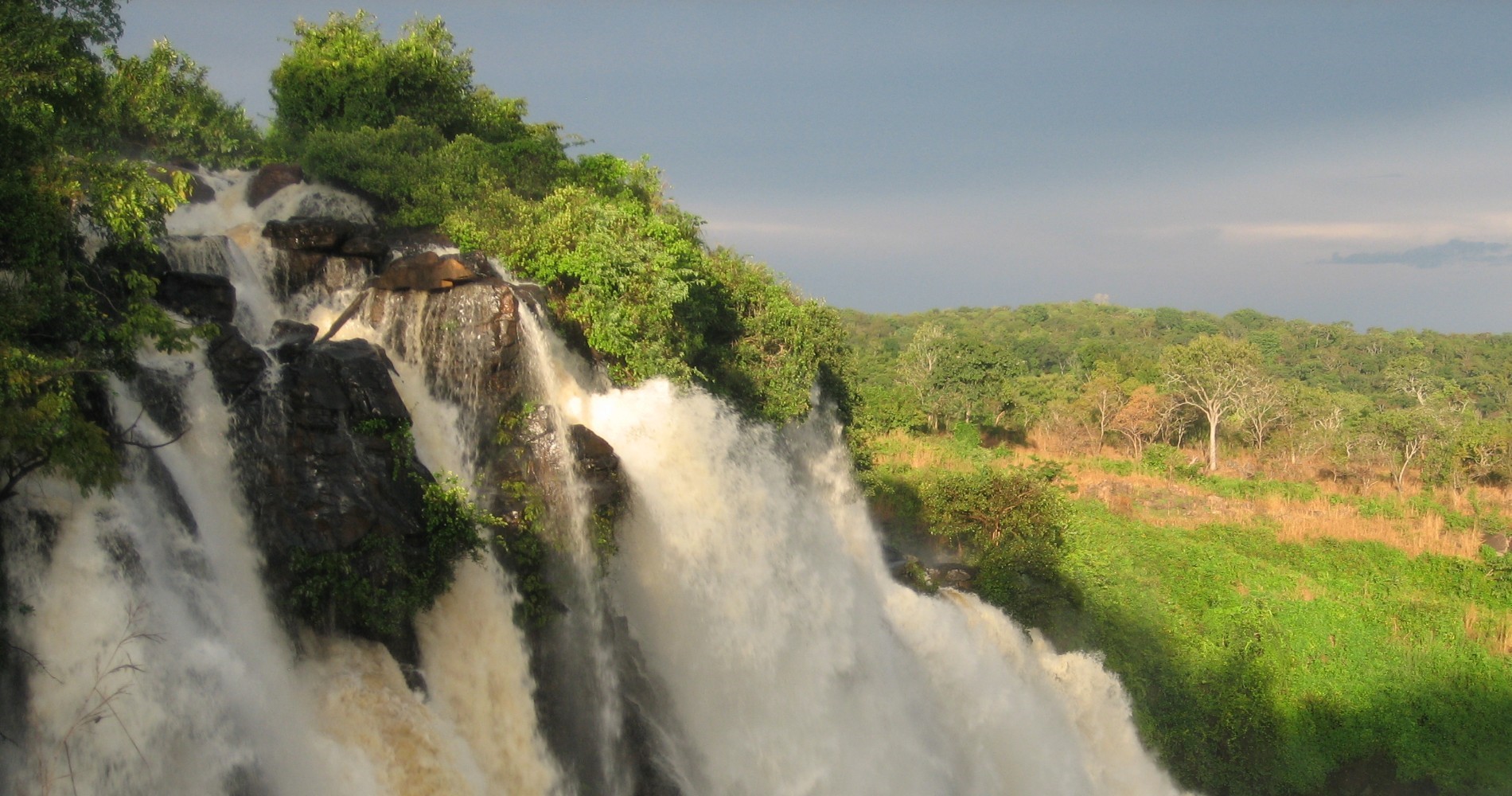
It is located in the central African continent, a landlocked country, bordering Sudan in the east, Congo (Brazzaville) and Congo (Kinshasa) in the south, Cameroon in the west and Chad in the north. The northern part has a tropical grassland climate, and the southern part has a tropical rainforest climate. The annual average temperature is 26 ° C. The rainy season is from May to October, and the dry season is from November to April. The official languages are French and Zango. About 50% of the residents believe in Christianity, about 15% believe in Islam and the rest believe in primitive religion. Central Africa has a high incidence of malaria and AIDS, and the HIV infection rate among adults aged 15 to 49 is 3.8% (2015).
Economics
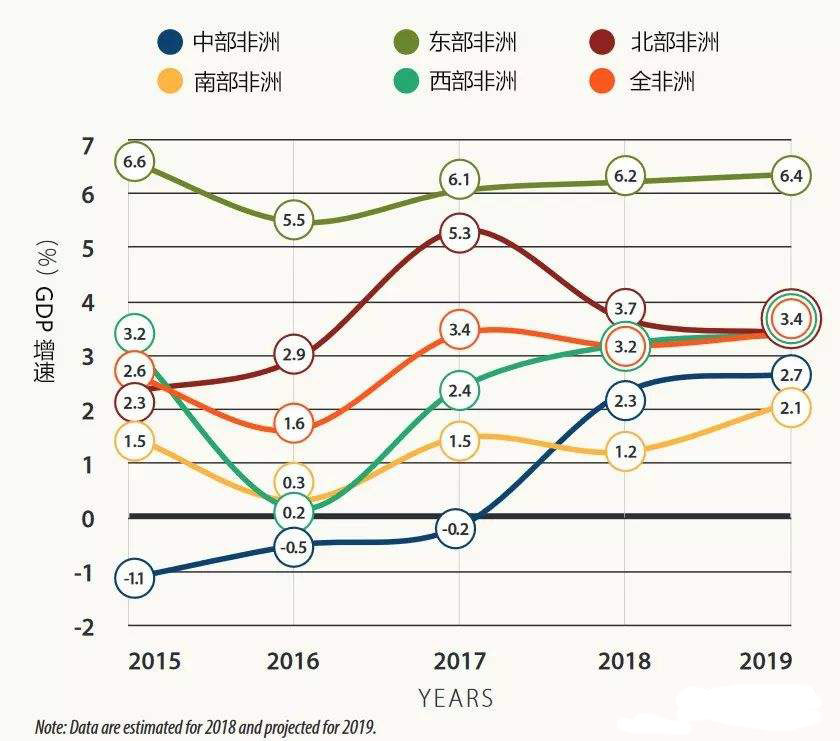
Fiscal revenue mainly depends on taxes. After the situation fell into turmoil, the government’s fiscal revenue fell sharply. In 2015, fiscal revenue was US $ 242 million, expenditure was US $280 million, and foreign exchange reserves were US $ 208 million. Established diplomatic relations with the United States in 1963. The United States has 121 peace members in Central Africa. In 2002, the United States closed its embassy in Central Africa. In January 2005, the U.S. embassy in Central Africa reopened; in July,the U.S. embassy’s interim ambassador announced the full restoration of cooperation with China and Africa, and reopened Bangui American Cultural Center.
Important Holidays
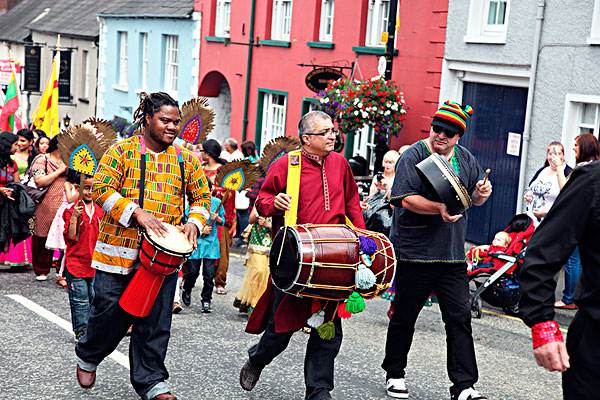
New Year’s Day: Just like the other world else, the new year is celebrated by everyone in Africa, some big cities become very lively and students do not need to go to school, lots of people do not need to go to work.
Anniversary of Barthélemy Boganda’s Death:After World War I, Equatorial Africa was returned to France. After the Second World War, the black African national independence movement developed day by day. Barthelemy and Pogunda created the “Black African Social Development Movement” to start the struggle for national independence. As a hero, his death became an important day for people in central Africa.
Independence Day: After the independence of the Central African Republic from France on August 13, 1960, David Dakota became interim president, and soon became the country’s first president, implementing a one-party dictatorship.
National Day: On December 1, 1958, according to Charles de Gaulle’s Constitution,Central Africa became an autonomous republic within the French Community, named Central African Republic.December 1 is also designated as the National Day of the Central African Republic.